
How to Get an Echo to Tell You a Room’s Temperature
If you own a smart speaker, you might be surprised to learn just how useful it can be beyond music and reminders. One of the most practical features is temperature monitoring. In fact, how to get an Echo to tell you a room’s temperature is something many users don’t fully explore.
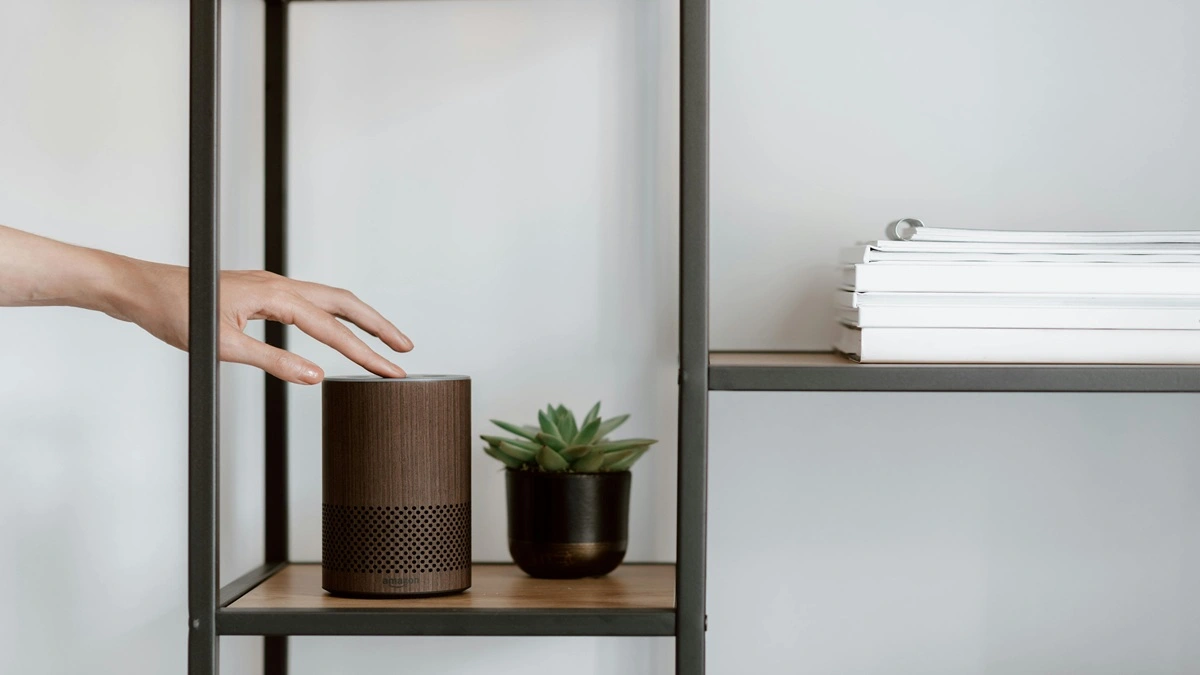
With devices like the Amazon Echo, you can quickly check how warm or cool a room is—just by asking. In this guide, you’ll learn exactly how to get an Echo to tell you a room’s temperature, what devices support it, and how to set everything up properly.
Why Learn How to Get an Echo to Tell You a Room’s Temperature
Understanding how to get an Echo to tell you a room’s temperature can make your home smarter and more comfortable.
Benefits include:
- Better control over heating and cooling
- Improved energy efficiency
- Real-time temperature updates
- Smarter automation with routines
Instead of guessing whether a room is too hot or cold, your Echo can give you an instant answer.
Which Echo Devices Support Temperature Sensors?
Not all Echo devices have built-in temperature sensors, so it’s important to check compatibility before learning how to get an Echo to tell you a room’s temperature.
Supported models include:
- Amazon Echo (4th Gen)
- Amazon Echo Plus
These devices include internal sensors that can detect ambient room temperature.
How to Get an Echo to Tell You a Room’s Temperature Using Built-In Sensors
If your Echo has a built-in sensor, then how to get an Echo to tell you a room’s temperature is very simple.
Steps:
- Plug in and set up your Amazon Echo
- Connect it to the Amazon Alexa app
- Make sure your device is updated
- Ask: “Alexa, what’s the temperature in this room?”
Alexa will instantly respond with the current room temperature.
How to Get an Echo to Tell You a Room’s Temperature Without Built-In Sensors
If your device doesn’t support temperature sensing, don’t worry—you can still learn how to get an Echo to tell you a room’s temperature using external devices.
What you need:
- A smart temperature sensor
- A compatible smart home hub (optional)
Popular options include:
- Philips Hue Motion Sensor
- Govee Smart Thermometer
Once connected, Alexa can read temperature data from these sensors.
Connecting a Temperature Sensor to Alexa
To complete how to get an Echo to tell you a room’s temperature, you’ll need to link your sensor.
Steps:
- Open the Amazon Alexa app
- Tap “Devices”
- Add your smart sensor
- Assign it to a room
- Ask Alexa for the temperature
Now your Echo will respond using the connected sensor.
Use Routines for Smarter Temperature Control
Once you understand how to get an Echo to tell you a room’s temperature, you can take things further with automation.
Example routines:
- Turn on a fan if temperature rises above a certain level
- Adjust smart thermostats automatically
- Send alerts if a room gets too hot or cold
This turns your Echo into a full smart home assistant.
Troubleshooting Temperature Issues
Sometimes users struggle with how to get an Echo to tell you a room’s temperature due to setup issues.
Common fixes:
- Ensure your Echo is updated
- Check Wi-Fi connection
- Confirm sensor compatibility
- Re-link devices in the Alexa app
These steps usually solve most problems.
Tips for Accurate Temperature Readings
To get the best results when learning how to get an Echo to tell you a room’s temperature, follow these tips:
- Place your Echo away from direct sunlight
- Avoid placing it near heaters or AC vents
- Keep sensors in open areas
- Ensure proper airflow around the device
Accurate placement makes a big difference.
Final Thoughts on How to Get an Echo to Tell You a Room’s Temperature
Now you know exactly how to get an Echo to tell you a room’s temperature, whether through built-in sensors or external devices. With the help of the Amazon Echo and the Amazon Alexa app, you can monitor your home environment effortlessly.
This feature isn’t just convenient—it can help you save energy, improve comfort, and automate your home like never before.
If you haven’t tried it yet, set it up today and experience a smarter way to manage your living space.
.