

5 Colors You May Regret Painting Your Bedroom, According to Designers
5 Colors You May Regret Painting Your Bedroom, According to Designers is more than just a list of trends to avoid—it’s about understanding how color affects mood, sleep, and comfort. While bold shades may look appealing in inspiration photos, they don’t always create the restful atmosphere a bedroom needs.
Understanding the Impact of Color: 5 Colors You May Regret Painting Your Bedroom
Interior designers often see home owners choosing colors based on style rather than function. The result? Bedrooms that feel overstimulating, smaller, or emotionally off-balance.
Let’s explore the shades experts say you should think twice about—and what to choose instead.

1. Bright Red: Too Stimulating for Rest
Red is associated with energy, passion, and intensity. While it can work in social spaces, it often feels overwhelming in a bedroom.
Designers explain that high-energy colors can increase alertness, making it harder to unwind. This is why red frequently appears on lists of worst bedroom paint colors.
Why it can be a mistake
- Raises visual intensity
- Can feel emotionally overwhelming
- Doesn’t support a calm bedtime routine
Better alternative
Muted terracotta or warm beige can add warmth without overstimulation.
2. Neon or Bright Yellow: Visually Fatiguing
Yellow is cheerful, but overly bright shades can become tiring over time. Instead of feeling uplifting, strong yellows may create restlessness, especially in rooms with lots of natural light.
Many homeowners report bedroom paint regrets after choosing intense yellows because the color feels harsh in the morning and glaring at night.
Why designers avoid it
- Reflects too much light
- Can feel mentally draining
- Disrupts a calm atmosphere
Better alternative
Soft buttery yellow or warm cream provides brightness without strain.
3. Vibrant Orange: Too Energetic for Sleep
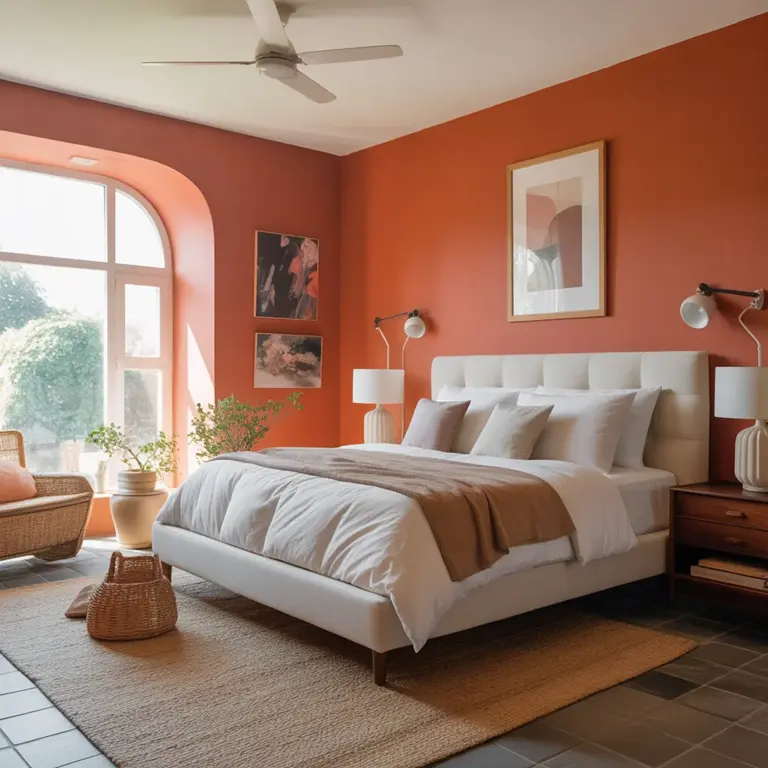
Orange is lively and social, making it better suited for creative or communal spaces. In bedrooms, it can feel too stimulating and prevent relaxation.
Color psychology suggests that bold orange tones can subtly increase mental activity, which is not ideal when your goal is rest.
Common issues
- Feels busy and loud
- Hard to style with décor
- Can make the room feel warmer than it is
Better alternative
Dusty peach or muted clay tones offer warmth while staying calming.
4. Stark White: Surprisingly Cold and Uninviting
White seems like a safe choice, but pure, stark white often lacks warmth. Instead of feeling serene, it can make a bedroom feel clinical or unfinished.
Designers frequently mention that bedrooms painted in harsh white can feel emotionally distant, especially without layered textures.
Why it may not work
- Makes space feel cold
- Shows imperfections easily
- Lacks coziness
Better alternative
Soft off-white or warm ivory creates a more welcoming environment.
5. Dark, Overly Bold Shades: Heavy and Enclosing
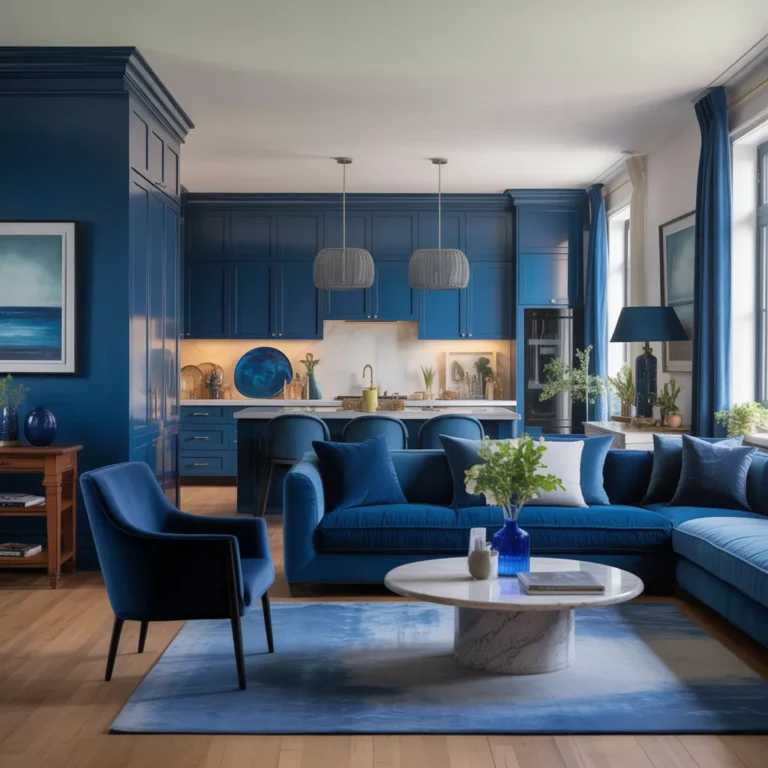
Deep colors can look dramatic and elegant, but when used incorrectly, they can make a bedroom feel smaller or overly heavy.
While dark tones aren’t always wrong, highly saturated shades without proper lighting often lead to common bedroom color mistakes.
Potential downsides
- Reduces sense of space
- Absorbs too much light
- Can feel emotionally heavy
Better alternative
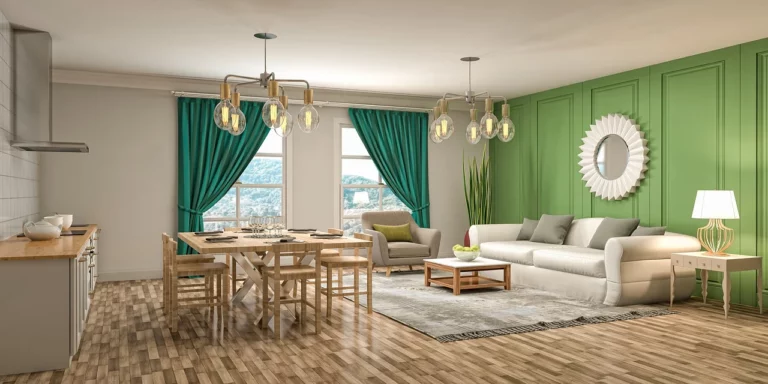
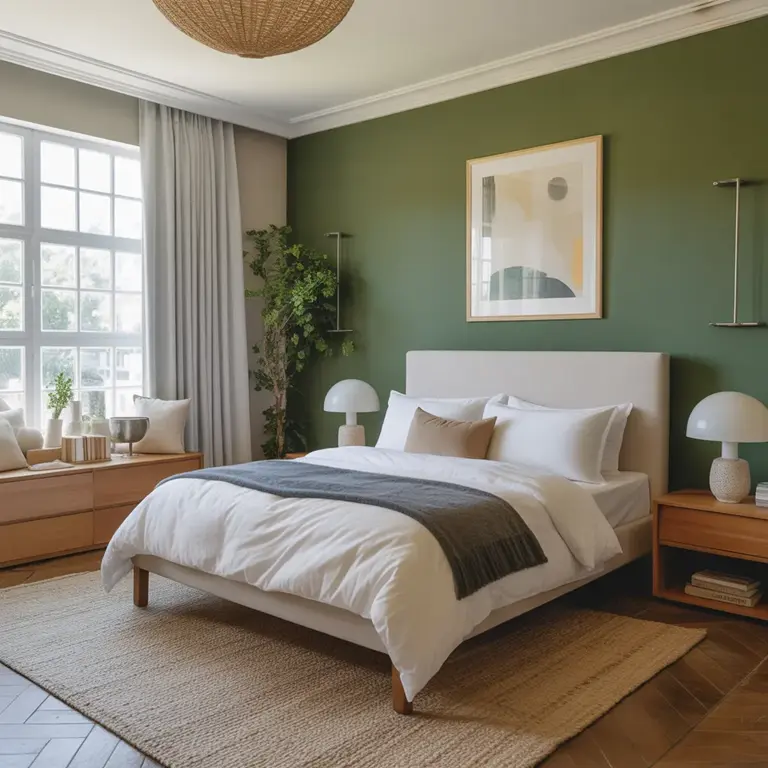
Soft navy, sage green, or muted charcoal maintains depth without overpowering the room.
Why Bedroom Color Choices Matter
Color psychology plays a major role in sleep quality and mood. The bedroom should feel like a retreat, not a stimulating environment.
Research in interior design consistently shows that calming bedroom colors—like soft blues, greens, and warm neutrals—support relaxation better than bold or high-contrast tones.
Choosing the wrong color doesn’t just affect aesthetics. It can influence how quickly you fall asleep, how relaxed you feel, and even how spacious the room appears.
How to Choose the Right Bedroom Paint Color
Designers recommend focusing on how you want the room to feel rather than what’s trending.
Simple tips to follow
- Test paint samples in different lighting
- Consider room size and natural light
- Pair colors with textures for warmth
- Prioritize calm over bold statements
When color decisions align with mood and function, the chances of regret drop significantly.
Creating a Sleep-Friendly Color Palette
If you want a bedroom that promotes rest, consider tones that feel soft and balanced.
Designer-approved calming options
- Soft sage green
- Dusty blue
- Warm taupe
- Muted lavender
- Creamy neutrals
These shades create a soothing color palette that supports relaxation without feeling dull.
Final Thoughts
5 Colors You May Regret Painting Your Bedroom, According to Designers highlights an important truth: not every beautiful color is right for a restful space. Bedrooms function best when they feel calm, comfortable, and emotionally balanced.
Avoiding overly bright, harsh, or heavy shades can make a noticeable difference in how your room feels every day. By focusing on mood, lighting, and long-term comfort, you can create a bedroom that looks beautiful and supports better rest.